Your hair restoration surgery doesn’t end when you leave the clinic; it actually begins the moment you start your aftercare routine. Using standard retail shampoos on newly implanted follicles is the fastest way to compromise a five-figure investment. Most patients realize too late that post transplant hair care products aren’t just accessories; they’re medical necessities. You’ve likely spent months researching surgeons and weeks worrying about the procedure itself. Now that the grafts are in place, the anxiety regarding shock loss or permanent graft failure is a valid concern that every patient faces during the critical first fourteen days. This period requires a clinical approach to hygiene that goes beyond simple cleaning.
This clinical guide outlines the specialized formulations required to stabilize the scalp environment and ensure 2026-standard graft survival rates. You’ll discover the essential medical-grade products required to protect your investment and ensure maximum graft survival after hair restoration. We will examine the specific ingredients that accelerate healing in the donor area, manage scabbing safely, and provide a clear roadmap for long-term maintenance. Understanding the difference between clinical-grade sets and standard consumer goods is the final step in securing the density you expect from a professional procedure.
Key Takeaways
- Understand the critical 72-hour window for follicle stabilization and how pH-balanced formulations prevent early-stage graft trauma.
- Identify the four essential categories of medical-grade post transplant hair care products required for a comprehensive recovery regimen.
- Learn why standard retail products and baby shampoos fail to provide the necessary repair factors for newly implanted follicles.
- Follow a precise clinical timeline for scab management and scalp hygiene during the first ten days of the recovery process.
- Discover the technical advantages of using ISO 13485 certified aftercare solutions to complement high-precision surgical instruments.
The Science of Graft Survival: Why Specialized Aftercare is Non-Negotiable
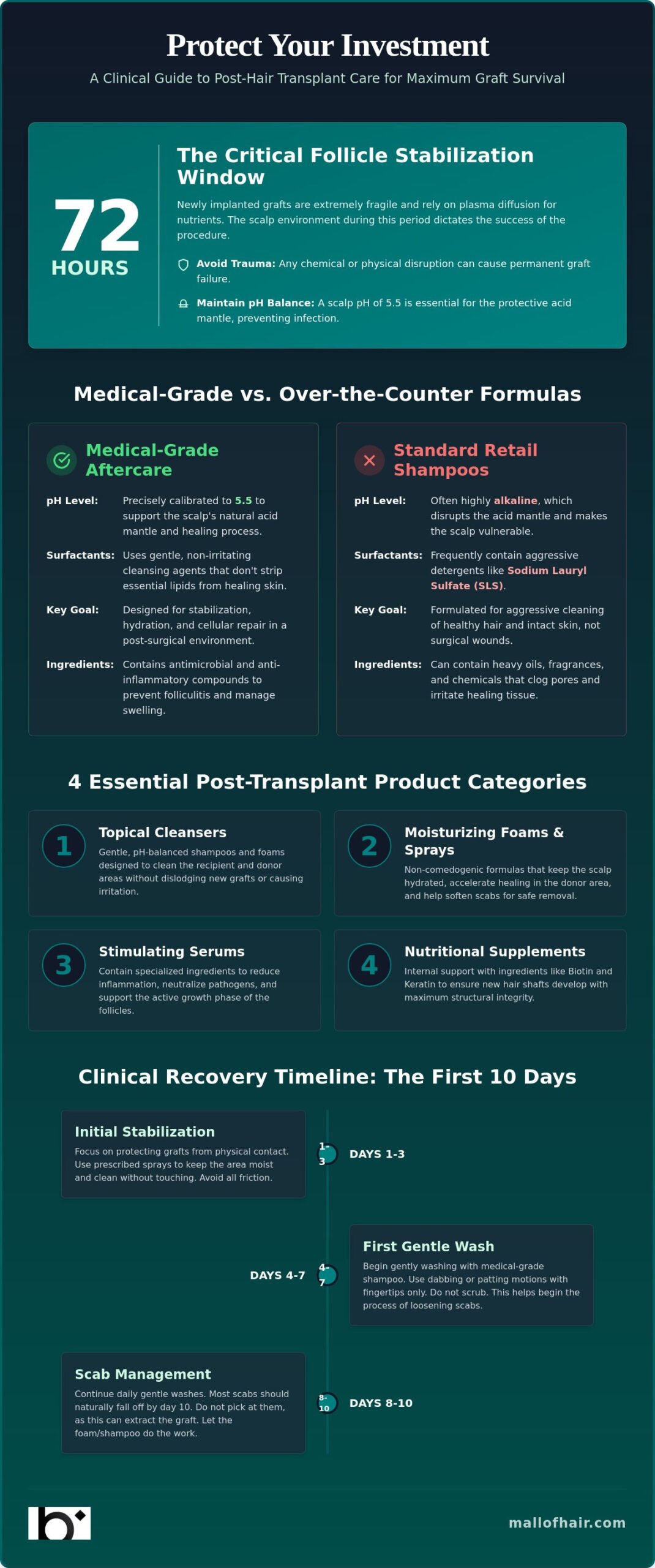
The first 72 hours following a hair transplantation procedure represent the most critical window for follicular health. During this period, the newly implanted grafts are not yet connected to a direct blood supply. They rely entirely on plasma diffusion for oxygen and nutrients. Any chemical or physical disruption can lead to graft displacement or permanent follicular death. Graft survival is the technical measure of how many transplanted follicles successfully integrate into the host tissue. This success depends heavily on the biochemical environment of the scalp. Clinical post transplant hair care products are engineered to stabilize this environment by supporting cellular repair and preventing the trauma associated with standard hygiene routines.
Retail shampoos are designed for healthy, intact skin and established hair. They often contain aggressive surfactants like Sodium Lauryl Sulfate (SLS) that strip the scalp of its essential lipids. For a surgical patient, these chemicals are far too abrasive. They can cause micro-tears in the healing tissue and increase the risk of infection. Professional aftercare prioritizes stabilization. It ensures the recipient area remains hydrated without suffocating the follicles. This precision in formulation is what separates a successful clinical outcome from a failed procedure. Recovery requires a methodology that respects the fragile state of the donor and recipient sites.
The Role of pH Balance in Scalp Recovery
A healthy scalp maintains a natural acidity level of approximately 5.5 pH. This environment is essential for the acid mantle to function correctly. The scalp’s protective acid mantle is a thin, slightly acidic film on the skin’s surface that acts as a primary barrier against bacteria and viruses. Most commercial shampoos are highly alkaline to maximize their cleaning power. However, alkalinity causes the hair cuticle to swell and leaves the scalp vulnerable to pathogens. Medical-grade formulas are precisely calibrated to 5.5 pH to support the skin’s natural defense mechanisms during the healing phase. Using 5.5 pH post transplant hair care products ensures the scalp remains resilient against external stressors.
Preventing Folliculitis and Inflammation
Post-operative inflammation is a standard response to surgical trauma, but it must be managed to prevent complications. Excessive swelling or the development of folliculitis can jeopardize the integrity of the grafts. Common triggers for these issues include sweat accumulation, bacterial buildup, and the use of heavy, oil-based products that clog pores. Specialized serums utilize antimicrobial ingredients to neutralize pathogens without causing irritation. It’s vital to use non-comedogenic formulations that allow the skin to breathe. This clinical approach reduces the risk of pustules and ensures the follicles remain unobstructed as they enter the active growth phase.
The Essential Roundup: 4 Categories of Post-Transplant Hair Care Products
Achieving high-density results requires a methodical approach that addresses both external protection and internal follicular support. Professional post transplant hair care products are rarely sold as standalone items because the recovery process depends on chemical synergy. A complete clinical kit typically includes four distinct categories: topical cleansers, moisturizing foams, nutritional supplements, and stimulating serums. Using a unified set prevents the risk of ingredient cross-reactivity, which is common when mixing unrelated retail brands. Key ingredients like Saw Palmetto are often included to provide localized DHT inhibition, while Keratin and Biotin ensure the new hair shafts develop with structural integrity.
Clinics often prescribe these multi-pronged systems to ensure the patient adheres to a strict biological timeline. Properly managed protocols, such as those detailed in clinical guides for After FUE Hair Transplant, emphasize that the first 90 days dictate the final aesthetic outcome. This systemic support is what allows the scalp to transition from a state of surgical trauma to active regeneration. Clinics looking to provide these standardized solutions to their patients can consult with our specialists for private label manufacturing options that meet ISO standards.
Phase 1: Cleansing and Softening (Shampoos & Foams)
The primary objective during the first 10 days is scab management without mechanical trauma. Panthenol foams are essential for this phase. They work by deeply hydrating the crusts that form around the graft sites, making them easier to wash away without tugging on the follicle. Sulfate-free shampoos serve as the foundation of this routine. They cleanse the donor and recipient areas without stripping the scalp’s natural oils or disrupting the fragile pH balance. Patients must use a “no-rub” application technique; this involves gently dabbing the foam onto the area and rinsing with lukewarm, low-pressure water to ensure the grafts remain undisturbed.
Phase 2: Stimulation and Repair (Serums & Vitamins)
Once the initial healing phase concludes, the focus shifts to follicular vitality. Meso-serums are designed to penetrate the scalp and stimulate the dermal papilla, encouraging the hair to exit the resting phase faster. Internal support is equally vital. Biotin and multivitamin supplements feed the follicle from the inside out, providing the raw materials necessary for protein synthesis. The inclusion of Keratin and Collagen in the recovery regimen directly impacts the strength and diameter of the new hair shafts. This internal and external combination ensures that when the hair begins to grow, it does so with maximum density and resilience.
Comparing Formulations: Medical-Grade vs. Over-the-Counter Solutions
Selecting the correct post transplant hair care products is a decision that directly impacts the longevity of the surgical result. Standard over-the-counter (OTC) products are formulated for mass-market consumption, prioritizing fragrance and shelf-stability over cellular repair. In contrast, medical-grade formulations contain significantly higher concentrations of active ingredients like Panthenol and Biotin. These clinical products are designed to penetrate the scalp barrier effectively while maintaining a sterile environment. For a patient who has invested in high-precision surgery, using retail alternatives introduces unnecessary variables that can compromise graft uptake.
Manufacturing origin is a critical safety metric that many patients overlook. Professional aftercare lines are produced under ISO 13485 standards, which is the international benchmark for medical device quality management. This certification ensures that every batch is free from contaminants and meets strict biocompatibility requirements. Most retail shampoos don’t adhere to these surgical-grade protocols. Investing in professional aftercare is essentially a form of insurance for your procedure; the cost of a clinical kit is negligible when compared to the total price of hair restoration.
A common misconception involves the use of “baby shampoos” during the first week of recovery. While these products are formulated to be tear-free, they are not designed for wound healing. They lack the growth factors, antimicrobial agents, and pH-balancing properties required to support a healing scalp. Baby shampoos often leave a residue that can clog pores and lead to folliculitis, which is a risk no surgical patient should take.
The Hidden Dangers of Standard Retail Shampoos
- Sulfates (SLS/SLES): These aggressive detergents can cause chemical burns on sensitive, post-op skin.
- Parabens: Synthetic preservatives that may trigger allergic contact dermatitis in healing tissue.
- Silicones: These create a film over the scalp, potentially suffocating new grafts and trapping bacteria.
Heavy fragrances and synthetic dyes are also prevalent in retail goods; these additives are primary irritants that can cause persistent inflammation in the donor area. While botanical extracts are often marketed as gentle, it’s critical to understand that “natural” does not always mean “safe” for open surgical wounds or fresh follicular grafts.
Why Clinics Prefer Manufacturer-Direct Sourcing
Clinics that prioritize patient outcomes often source their aftercare directly from specialized manufacturers to ensure formulation consistency. This allows surgeons to track recovery progress with predictable results. Holistic success in hair restoration relies on the synergy between high-quality surgical tools, such as FUE punches, and the clinical products used during the months that follow. By providing a complete medical package, clinics eliminate the risk of patients using incompatible retail products that could hinder the healing process.
The Recovery Timeline: When to Use Which Aftercare Products
The biological integration of hair grafts follows a strict chronological sequence that requires specific chemical support at each stage. During the initial 72 hours, the primary objective is absolute protection and hydration. Surgeons often prescribe sterile saline or specialized moisturizing sprays to be applied every 30 to 60 minutes. These post transplant hair care products prevent the recipient site from drying out, which is essential for cellular survival before the follicles establish a new blood supply. At this stage, any mechanical contact must be avoided to prevent graft dislodgement.
From day four through day ten, the clinical focus shifts to scab management. This is when moisturizing foams and gentle cleansers are introduced to soften the surgical crusts. Between weeks two and four, many patients experience “shock loss,” a temporary shedding of the transplanted shafts. Transitioning to repair serums during this window helps soothe the scalp and prepares the follicles for the upcoming growth cycle. By months three to six, the recovery enters the stimulation phase, where growth factors and internal supplements become the priority to maximize hair density.
Managing the Scab Phase (First 10 Days)
Safe scab removal is a delicate process that requires patience and the right formulations. Starting around day four, apply a clinical softening lotion or panthenol foam to the recipient area and let it sit for 20 to 30 minutes. This softens the scabs, allowing them to rinse away during the wash without force. You’ll know scabs are ready to shed when they appear pale and begin to lift at the edges. Never pick or scratch at the grafts; if a scab doesn’t wash away easily, leave it for the next day. For clinics looking to standardize these protocols, it’s helpful to consult a Comprehensive Guide to Sourcing Hair Transplant Clinic Supplies to ensure all patients receive identical aftercare kits.
The Stimulation Phase (Month 3 and Beyond)
After the initial shedding phase, the follicles enter a resting period known as the telogen phase. To encourage a faster transition into the active growth (anagen) phase, the body requires concentrated nutritional support. Clinical studies suggest that high-concentration Biotin, specifically dosages of 5000 MCG or higher, significantly improves the keratin infrastructure of the new hair. While the recipient area gets the most attention, maintaining donor area health is equally vital. Using nutrient-rich post transplant hair care products on the donor site ensures the skin remains elastic and healthy, which is critical if the patient requires future procedures to address progressive hair loss. To learn more about professional-grade aftercare manufacturing for your clinic, you can contact our technical team for a consultation.
Sourcing Professional Aftercare: Why Clinics Trust Bind Pharma
The success of a hair restoration procedure is determined by the synergy between surgical execution and biochemical support. Bind Pharma operates as a global industry stakeholder, providing over 210 clinics across 20 countries with medical-grade solutions. Our commitment to ISO 13485 certified manufacturing ensures that every batch of post transplant hair care products meets the rigorous safety standards required for surgical aftercare. By controlling the production environment, we eliminate the variables that often lead to post-operative complications, ensuring that follicles extracted with high-precision instruments have the best possible environment for integration.
Clinics that prioritize long-term results recognize that aftercare is an extension of the surgery itself. Integrating specialized topical treatments with precision FUE punches allows for a standardized recovery protocol. This technical alignment reduces the risk of follicular trauma and accelerates the healing of the donor area. Through our Aesthetic Academy, we provide comprehensive training for technicians on proper post-operative protocols, ensuring that clinical staff can guide patients through the critical first weeks of recovery with authority and precision.
A Holistic Approach to Hair Restoration
Surgical precision and aftercare quality are inseparable components of a successful transplant. Sourcing from a manufacturer that understands the mechanical nuances of the extraction and implantation phases provides a distinct advantage. Because we design the tools used in the operating room, our chemical formulations are specifically engineered to address the tissue trauma those tools manage. For a deeper analysis of how manufacturing standards influence surgical outcomes, clinics can reference our FUE Punch Manufacturer Guide. This holistic perspective ensures that the scalp environment is perfectly primed for the growth phase that follows the procedure.
Elevating Clinic Reputation Through Patient Outcomes
Patient satisfaction is the primary metric for any successful hair restoration practice. Providing high-end post transplant hair care products as part of a standard procedure package significantly reduces follow-up complaints related to itching, scabbing, or poor density. When clinics provide a complete medical solution, they build a brand of excellence and reliability. Bind Pharma serves as a strategic partner rather than a simple supplier, offering wholesale opportunities for global clinics seeking consistent quality in their hair transplant instruments and aftercare lines. Establishing this level of professional consistency is the most effective way to ensure predictable results and secure patient trust. We invite you to explore our full range of clinical hair care and surgical instruments to elevate your clinic’s standard of care.
Securing Long-Term Density Through Clinical Discipline
Graft survival is determined by the technical discipline maintained during the recovery phase. As outlined in this guide, the transition from stabilization to active growth requires a methodical approach that retail products cannot support. Relying on dermatologically tested formulations ensures the scalp environment remains sterile and conducive to maximum density. Bind Pharma, an ISO 13485 certified manufacturer and global wholesale supplier, provides the surgical-grade solutions necessary to maintain these international standards. By prioritizing specialized post transplant hair care products over standard consumer goods, you eliminate the risks of persistent inflammation and follicular trauma.
Clinics that implement these standardized protocols see a measurable reduction in patient complications and higher overall satisfaction rates. Integrating professional-grade aftercare is the final step in ensuring the success of any hair restoration procedure. Browse Bind Pharma’s Clinical Post-Transplant Solutions to secure the expertise and quality your patients deserve. Your commitment to clinical precision today defines the health and resilience of your results for years to come.
Frequently Asked Questions
Can I use normal shampoo after a hair transplant?
No, you shouldn’t use standard retail shampoos during the initial recovery phase. Normal shampoos often contain aggressive surfactants like Sodium Lauryl Sulfate that can cause chemical trauma to newly implanted follicles. Only clinical-grade, pH-balanced products should be used for at least the first 14 days to ensure the grafts remain stable and the scalp’s protective barrier stays intact.
How long should I use post-transplant hair care products?
You should use specialized post transplant hair care products for a minimum of 3 to 6 months to achieve optimal density. While the first 10 days focus on scab management and graft survival, the following months require targeted stimulation. Continuing with medical-grade serums and vitamins helps the follicles transition faster from the resting phase into the active growth phase, which is the ideal time to explore החלקת שיער אורגנית at professional studios like Haomanim to style your newly restored hair.
What is the best ingredient for hair transplant recovery?
Panthenol, also known as Provitamin B5, is the most critical ingredient for the immediate post-operative period. It provides the deep hydration necessary to soften surgical scabs without mechanical friction. For long-term growth, ingredients like Biotin and Saw Palmetto are essential for strengthening the hair infrastructure and managing localized DHT levels around the new grafts.
Is it necessary to take vitamins after a hair transplant?
Yes, internal nutritional support is a vital component of the recovery protocol. Follicles are highly metabolic units that require specific raw materials like Zinc, Iron, and Biotin to synthesize new hair shafts. Taking a high-concentration multivitamin ensures that your body has the biological resources to support both tissue repair and rapid hair regeneration. To further optimize your recovery through personalized health data, Dyvine Medical & Wellness offers comprehensive wellness panels and DNA testing services.
When can I start using Minoxidil or other growth serums?
You must wait at least 2 to 4 weeks before starting Minoxidil or other alcohol-based topical treatments. These formulations can be highly irritating to a healing surgical site and may cause inflammation if applied too early. Always wait until the scalp is completely healed and all scabbing has naturally shed before introducing these stimulants.
How do I wash my hair for the first time after surgery?
The first wash should be performed 48 to 72 hours after surgery using a strict “no-rub” technique. Gently dab a clinical moisturizing foam onto the recipient area and let it sit for approximately 20 minutes to soften any crusts. Rinse the area using lukewarm water with very low pressure, ensuring you don’t touch the grafts directly with your fingers or the showerhead.
Can specialized shampoos prevent shock loss?
Specialized shampoos cannot stop the biological process of shock loss entirely, but they can significantly reduce its duration and severity. By maintaining a healthy, inflammation-free scalp environment, these products help the follicles recover from surgical trauma more efficiently. This ensures that the hair returns to the active growth phase much faster than it would with standard hygiene products.
What should I avoid in a post-op shampoo?
You must avoid any products containing sulfates, parabens, silicones, or heavy synthetic fragrances. These chemicals act as primary irritants that can trigger contact dermatitis or suffocate the new grafts. It’s also important to avoid heavy oils that are not formulated for surgical aftercare, as they can clog the pores and lead to folliculitis in the recipient area.